
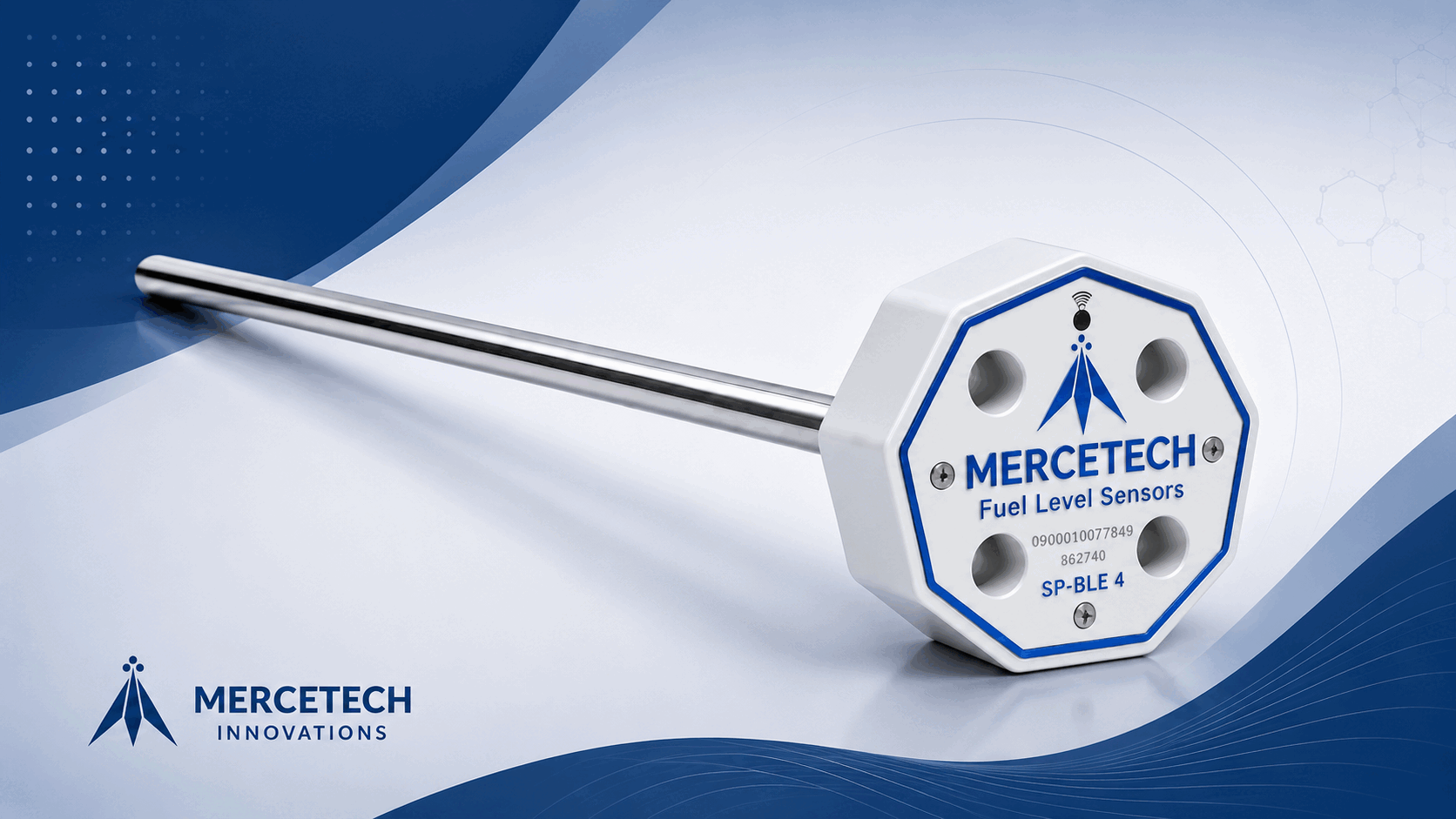
SP-BLE 4 Wireless Fuel Monitoring
The Mercetech SP-BLE 4 fuel level sensor measures tank levels and sends readings wirelessly to compatible Bluetooth Low Energy tracking hardware. It supports fuel monitoring for trucks, commercial fleets, diesel generators, construction machinery and stationary tanks.
On this page
How Wireless Fuel Monitoring Works
The tank-mounted probe measures changes in fuel level. A compatible BLE tracker or gateway receives the sensor data and passes it to the connected monitoring platform. The tracker and software provide the remote reports; the sensor supplies the tank readings.
Fleet teams can review refuelling activity, compare fuel-level trends and investigate unusual drops alongside vehicle location and operating records. These reports depend on the chosen tracker, its configuration and the software integration.
SP-BLE 4 Features for Fleet Operators
- Bluetooth Low Energy communication with compatible readers and GPS trackers.
- Capacitive fuel measurement for vehicle tanks and stationary fuel storage.
- Tilt angle detection to provide context when equipment operates on slopes.
- Built-in temperature measurement for additional operating information.
- Battery-powered operation and an IP68-rated enclosure.
Wireless communication can reduce the cable routing between the sensor and reader. Installation still requires a suitable mounting position, the correct probe configuration and a validated connection to the receiving device.
Applications: Trucks, Generators and Industrial Tanks
Transport fleets can use tank readings to review diesel usage and refuelling records. Construction and mining teams can compare fuel activity across working equipment. Generator and storage-tank operators can use the same measurement principle to support refuelling plans and stock visibility.
Choose the sensor configuration for the tank depth, available mounting space and operating conditions. Ask Mercetech to confirm the current model specification, battery configuration and warranty terms for the supplied unit.
Installation, Calibration and Data Quality
Useful fuel-volume reporting depends on tank calibration as well as sensor installation. A calibration table connects stable readings with known fuel quantities. Tank shape, mounting position, vehicle tilt and fuel movement can affect the readings used by the monitoring platform.
Review the fuel sensor calibration guide and truck fuel monitoring guide when planning a deployment. Confirm device compatibility and the required reporting interval with the integration team.
Investigating Unusual Fuel Changes
A sudden level change can indicate refuelling, movement within the tank, a reading problem or a possible loss. Review the event with location, vehicle status and refuelling records before reaching a conclusion. The fuel theft detection guide explains a practical review process.
Compare Fuel Monitoring Options
For a wired installation, explore the SP-485 fuel level sensor. You can also compare the SP-BLE 3 wireless fuel sensor or contact Mercetech for help selecting a configuration for your fleet.
SP-BLE 4 Fuel Sensor Questions
Will SP-BLE 4 work with every Bluetooth tracker?
Confirm compatibility with the exact receiving model and its firmware. Bluetooth support alone does not establish that a tracker can interpret the sensor data. Ask the integration team to validate the sensor profile, reporting units and receiving settings before selecting hardware.
How are tank readings converted into litres?
The complete system needs a tank-specific relationship between stable readings and known fuel quantities. Confirm where the conversion is performed in your chosen configuration. Save the calibration table and check the platform display against measured reference quantities during commissioning.
Does an unexpected fuel drop prove theft?
No. Review the event alongside movement, tilt, refuelling, maintenance and receiving-device records. The SP-BLE 4 supplies measurement data that a compatible system can use during an investigation. A documented review process helps separate an operating event from a measurement or configuration issue.
What should a representative pilot include?
Select tanks and equipment that reflect normal operating conditions. Document the sensor and tracker identities, settings and tank table. Compare reports with known events before expanding the deployment, and agree who will review exceptions in daily operation.
Plan the SP-BLE 4 Data Path
Start with a simple diagram showing the tank sensor, receiving hardware and reporting platform. The SP-BLE 4 measures at the tank. A compatible tracker or gateway receives its wireless data, and the connected platform turns the received information into reports. Keeping those responsibilities clear helps the team identify the part of the system that needs attention when a reading appears late, a unit is incorrect or an expected event is missing.
Record the exact receiving-device model and the integration being proposed. Ask how the sensor is identified, which values the receiver will accept and how those values are represented on the platform. Check whether the report displays a raw reading, a level measurement or a calculated volume. Agree the interpretation before commissioning so that a correct sensor reading is not mistaken for an incorrect litre value.
Also define what the operational team expects to see when communication is interrupted. A missing update and a real change in tank level are different events. The platform should give its users enough context to distinguish them. Validate the chosen setup under the conditions where the asset normally operates.
Choose Representative Tanks and Operating Conditions
A pilot should represent the wider deployment rather than only the easiest installation. Include the tank designs, equipment types and operating conditions that are important to the project. Record tank dimensions and mounting constraints separately for each configuration. Similar-looking vehicles can have different tanks or installation details, so a table or mounting arrangement should not be copied without checking the actual asset.
Agree which events will be used to assess the pilot. A measured refuelling event provides a useful reference when the quantity, time and asset identity are recorded consistently. Compare the reports with the underlying record and allow the team to explain differences before changing alert settings or expanding the installation.
For stationary equipment, define the operating periods and refuelling process. For moving vehicles, include the location and operating context available from the tracking system. The aim is to understand what the complete installation can report under normal conditions and which events still need a person to review them.
Keep an SP-BLE 4 Commissioning Record
A commissioning record makes later support discussions more specific. Save the SP-BLE 4 identity and the receiving-device details against the correct asset. Include the tank configuration, installation date, relevant settings and calibration table. If different parties handle installation, tracking hardware and software, agree who keeps the authoritative copy and who updates it after a change.
- Asset and tank: record the vehicle or equipment identifier, tank dimensions and intended fuel.
- Sensor and receiver: identify the installed devices and the integration configuration being used.
- Calibration: retain the stable readings, measured reference quantities and the resulting tank table.
- Validation: save examples showing how known events appear on the selected reports.
- Responsibility: identify who reviews exceptions and who should assess a configuration question.
- Change history: record replacement, maintenance or setting changes that affect future comparisons.
Use the model-specific instructions for installation work. This planning record supports those instructions and gives the team a reference for comparing future readings; it does not replace the supplied technical documentation.
Review Fuel Events with Supporting Evidence
Set up an event-review process before relying on automatic notifications. An unusual fuel change should be checked against the asset identity, time, location, movement and refuelling record. Review whether the receiving device was communicating normally and whether the tank or configuration changed recently. These checks help the team decide whether an event concerns normal operation, measurement quality or a possible loss.
Keep the original evidence with the review outcome. A report is more useful when another person can understand why an event was explained, escalated or left unresolved. Track false alarms as well as confirmed issues, because repeated false alarms can indicate that the installation or reporting configuration needs attention.
For SP-BLE 4 installations, use the available tilt and temperature information in the context of the receiving integration and operating conditions. Ask which values the chosen platform actually receives and displays. Available sensor measurements and the reports enabled in a particular system should be checked as separate requirements.
Compare SP-BLE 4 with a Wired Installation
Choose the interface around the complete installation. A wireless connection can reduce cable routing between the sensor and receiver, while a wired system needs a suitable cable route and supported electrical interface. Both approaches still require tank mounting, the correct receiving configuration and validation of the reports.
When comparing SP-BLE 4 with the SP-485 fuel level sensor, keep the same tank and reporting requirements in view. Confirm receiver support, installation responsibilities, maintenance access and the documentation supplied with each option. Compare the complete deployment rather than only the sensor price or one feature in isolation.
Maintain Consistent Fuel Reports
After commissioning, keep the process consistent. Review reports over comparable periods and record changes to tanks, sensors, trackers and software settings. If a device is replaced or a tank is modified, assess whether the calibration and reporting configuration still describe the installation correctly.
Give operations and maintenance teams a clear route for raising questions. A specific example with an asset identity, time period and supporting record is easier to assess than a general statement that fuel readings are wrong. Contact Mercetech with those details when discussing an SP-BLE 4 requirement or an existing monitoring setup.
SP-BLE 4 Fuel Level Sensor: Practical Selection Checks
Before selecting an SP-BLE 4 fuel level sensor, record the tank depth, intended fuel, mounting space and receiving-device model. Agree which reports the operations team will review and which known events can be used to check the pilot results.
Keep the tank table and configuration records with the asset. Recheck the reporting path after sensor replacement, tracker changes or tank modifications. For background on wireless communication, read the Bluetooth technology overview, then confirm the exact supported sensor profile with the integration team.
Before fleet rollout, use the fuel sensor and GPS tracker commissioning acceptance checklist to document compatibility, calibration, reporting and communication recovery tests.
Related Fuel Monitoring Products
Compare related devices when planning the complete installation. Confirm compatibility and model-specific documentation for the configuration you select.
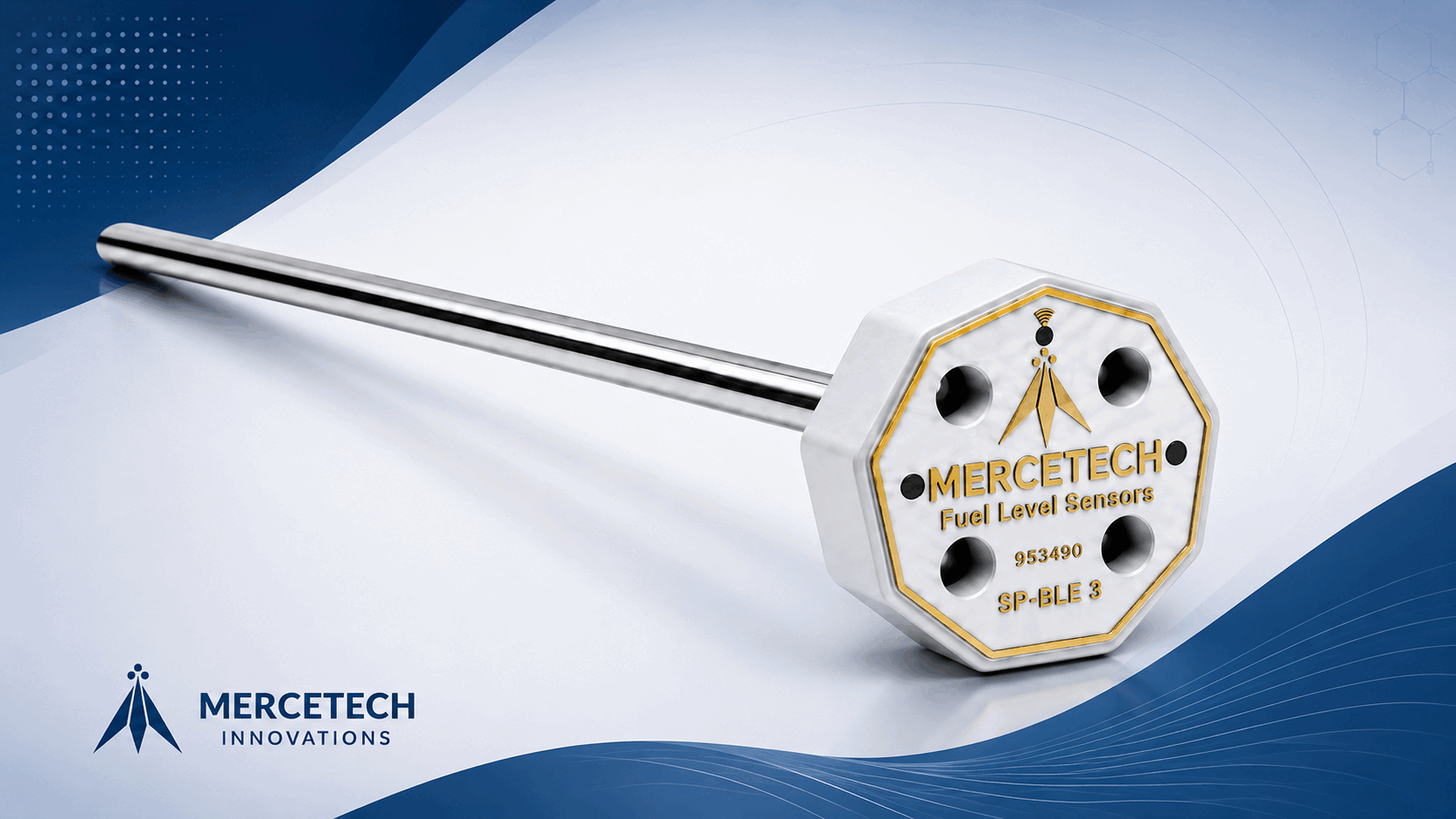
SP-BLE 3 Wireless Fuel Sensor
Compare an alternative BLE fuel level sensor and confirm model-specific tracker support.
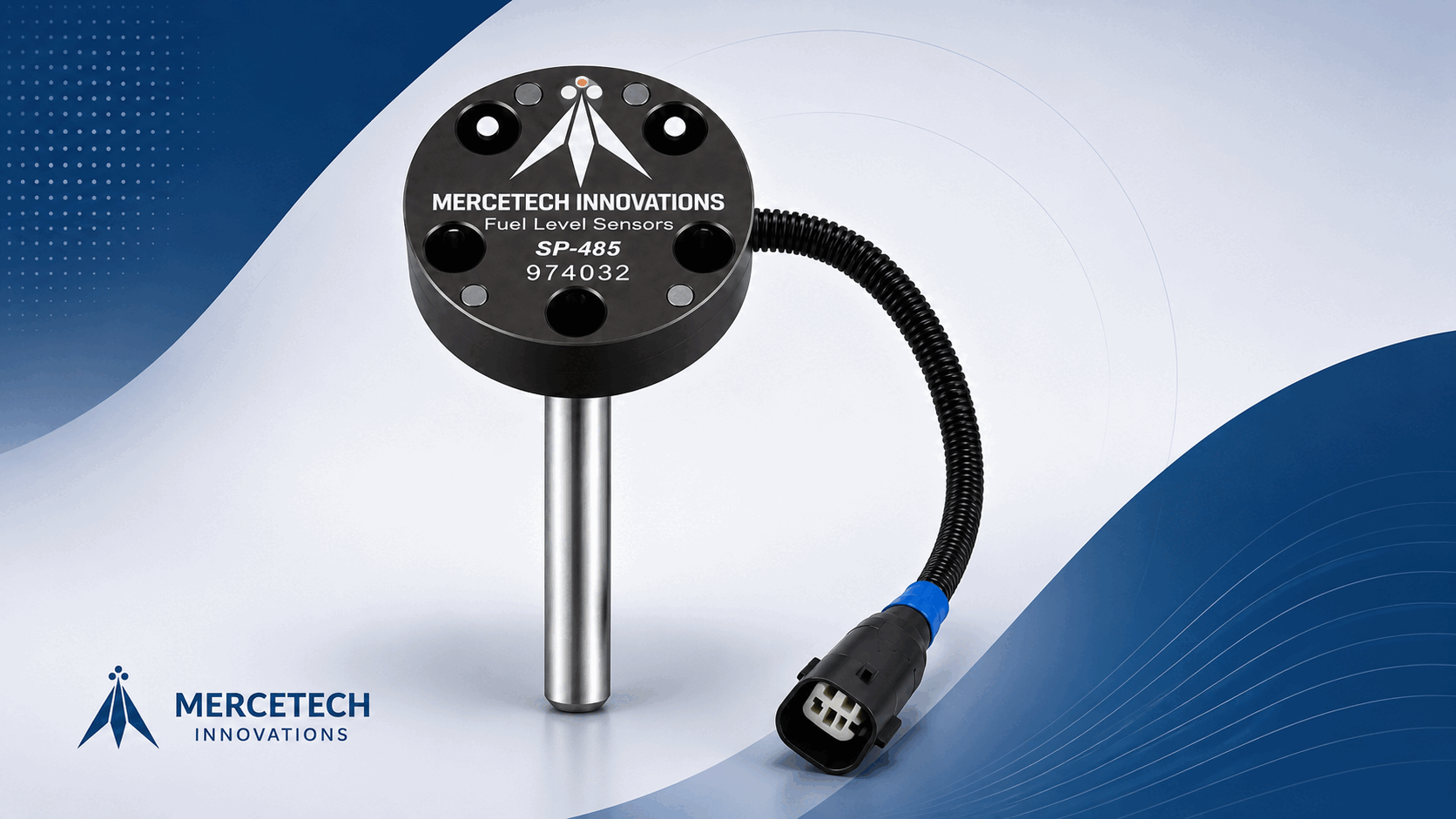
SP-485 Fuel Sensor
Compare a wired fuel sensor for installations with a supported supported wired connection receiving interface.
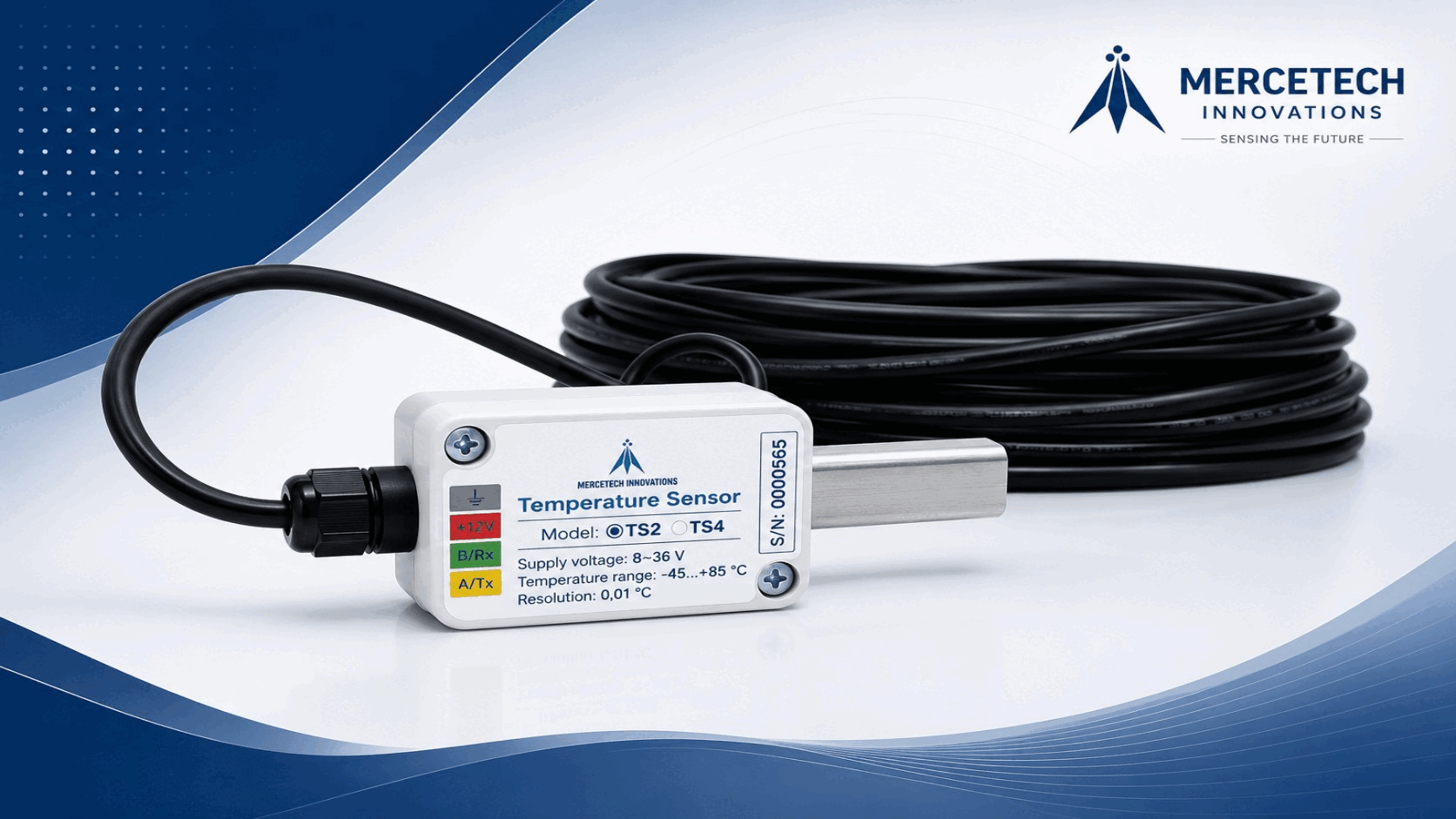
Digital Temperature Sensor
Explore temperature measurement as a separate monitoring requirement and check the supplied interface and receiving-device support.
PRODUCT • TANK • RECEIVER • CALIBRATION
Plan your fuel sensor project
Share your country, asset type, tank dimensions, quantity and exact tracker or controller model. Our team can review the proposed sensor and the information needed for a quotation.
Check the complete setup
Confirm the sensor model, receiver support, tank calibration and reporting platform. Agree who will install, commission and support each part of the system.
Read the calibration guide →Make the quotation clear
Ask for separate equipment, installation, calibration, connectivity and software items where applicable. Request current documentation, availability and commercial terms for your destination.
Book a technical discussion →Choose your regional buying guide
SP-BLE 4 Wireless Fuel Sensor Enquiries for Africa
Compare the SP-BLE 4 wireless fuel level sensor for truck, generator and equipment tank monitoring in Africa. Specify the tank, fuel, compatible receiver, mounting location and required reporting platform. Confirm the supplied model documentation, validate BLE reception and establish a tank-specific calibration table before rollout.
Choose your project guide: Northern Africa · West Africa · Middle / Central Africa · East Africa · Southern Africa.
Include the destination country and quantity. Equipment availability, delivery and any local installation or support scope are confirmed in the project quotation.