
Installation and Selection Guide
Specify the Isolation Power Stabilizer Application
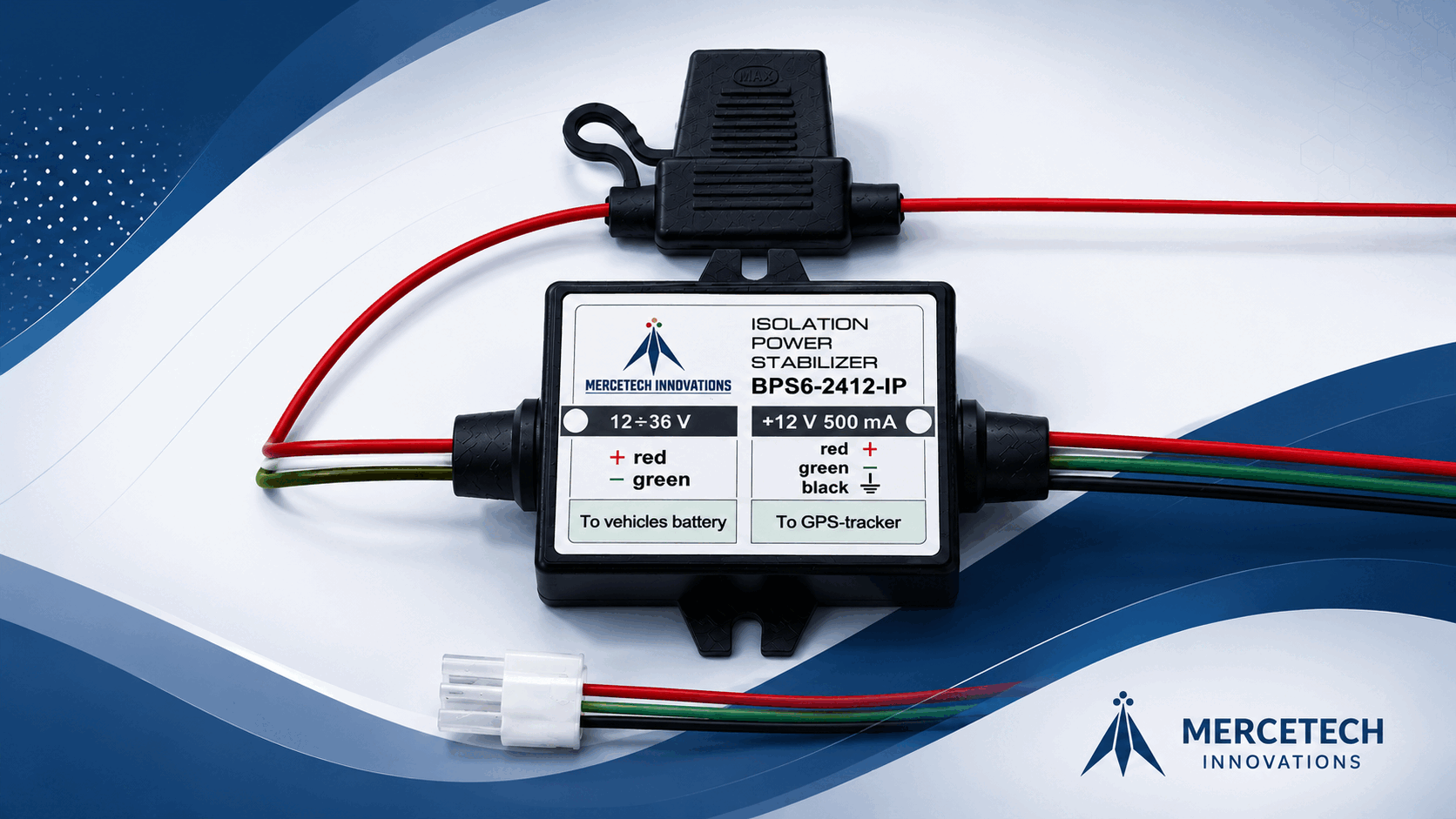
Prepare a written description of the equipment being powered and the available supply. Include the connected device models, their required voltage and current, the expected operating load and how the installation will be used. These details allow the supplier and installer to assess the proposed Isolation Power Stabilizer against a defined requirement. Distinguish the product name from its verified electrical specification. Request the current model-specific datasheet and wiring instructions, including the relevant input, output, load and environmental limits. Technical claims about isolation, regulation or protection should be checked against that documentation before the unit is selected for a system.Plan the Isolation Power Stabilizer with the Complete Load
Assess all equipment intended to share the proposed power arrangement. Include receiving devices, displays and accessories, together with their documented startup and operating requirements where applicable. A specification based on one device can miss the needs of the complete installation. Share the full equipment list when requesting guidance. Record the conditions at the available supply and any known operating changes. Ask a qualified installer to review the design and the protective arrangements required for the actual system. Product selection should follow the documented application rather than an assumption that any stabilizer can correct every power or communication problem.Keep Power and Communication Requirements Separate
Supplying suitable power to a tracker or sensor does not establish that the devices can exchange useful data. Confirm the communication interface, message format and configuration independently. For fuel monitoring installations, document both the power arrangement and the route from the measuring device to the receiving hardware and platform. This separation helps the team investigate a fault logically. A missing reading may concern the measurement, the receiving connection, power availability or the reporting configuration. Use the approved commissioning observations and device records to narrow down the cause. Do not alter wiring or protective arrangements as an informal troubleshooting shortcut.Commission and Maintain the Isolation Power Stabilizer Installation
A trained installer should follow the supplied mounting and wiring instructions and verify the proposed arrangement before handover. Agree the acceptance observations with the equipment provider. Retain the unit identity, connected load list, installation location, wiring reference and relevant settings together so future work can be assessed against the original design. Review the installation after equipment changes. Adding another device or replacing a receiving unit can change the load and the system requirements. Confirm continued suitability before treating an accessory as a permanent match for an altered setup. Keep the change history and any revised documentation with the maintenance record.Isolation Power Stabilizer Questions Before Ordering
Which electrical ratings apply?
Request the ratings for the exact supplied model, including its input arrangement, output requirements and supported load. This page does not replace the product’s technical documentation.Will it solve a fuel reporting problem?
First establish the cause of the reporting issue. A power accessory should be selected for an identified electrical requirement; data compatibility, calibration and software configuration need their own checks.Can listed monitoring products all share the same accessory?
Compatibility must be assessed for the particular device combination and complete power arrangement. Related products shown below are catalogue options, not a statement that every combination is supported.What information is useful for an enquiry?
Send the device list, available supply information, installation environment and the problem or requirement you need to address. Ask Mercetech for the Isolation Power Stabilizer datasheet and model-specific guidance. For general engineering background, Texas Instruments explains electrical isolation. That background does not establish the ratings, certification or suitability of this Mercetech unit; use the supplied product documentation for those decisions.Compare Monitoring Products
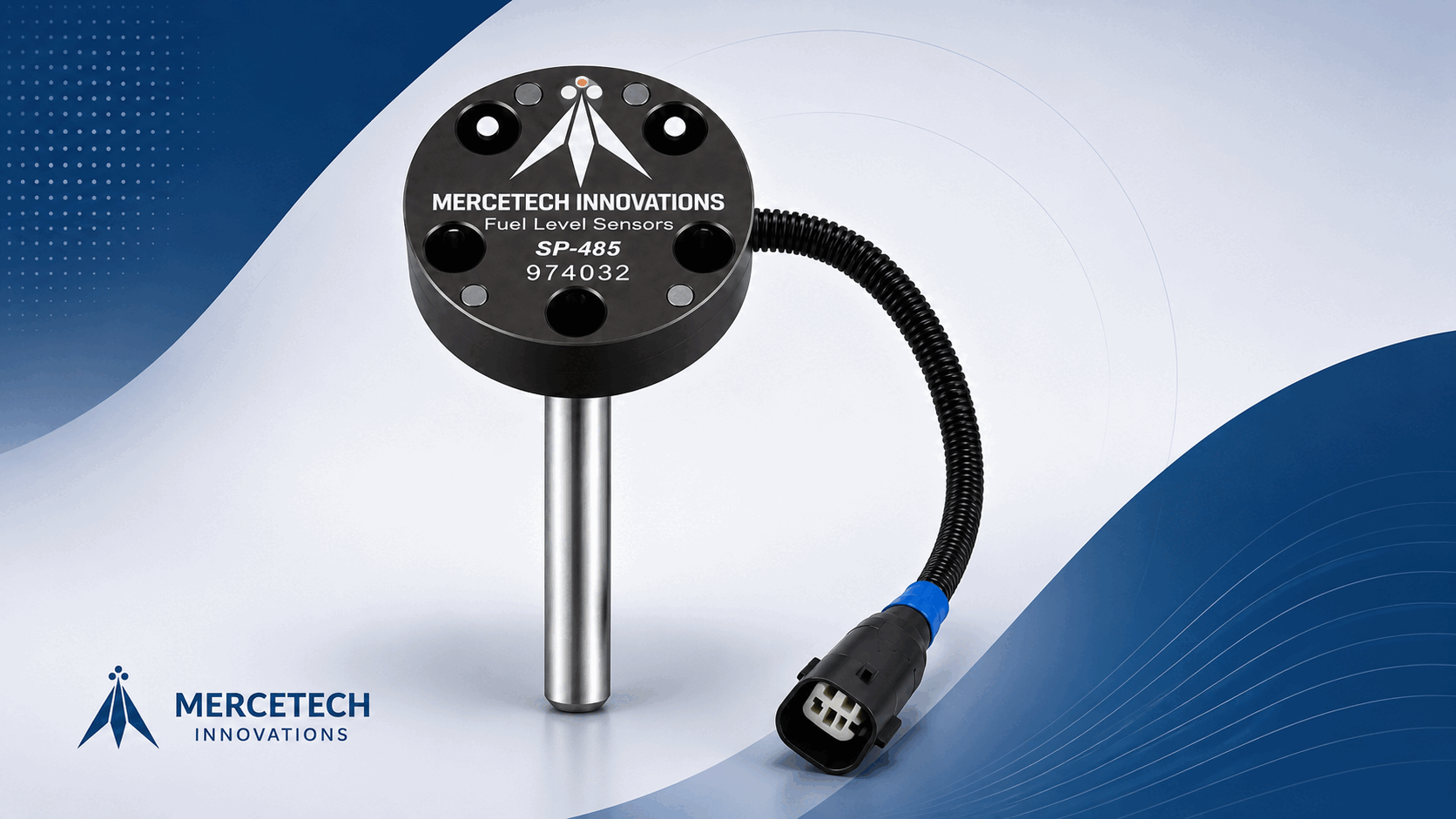
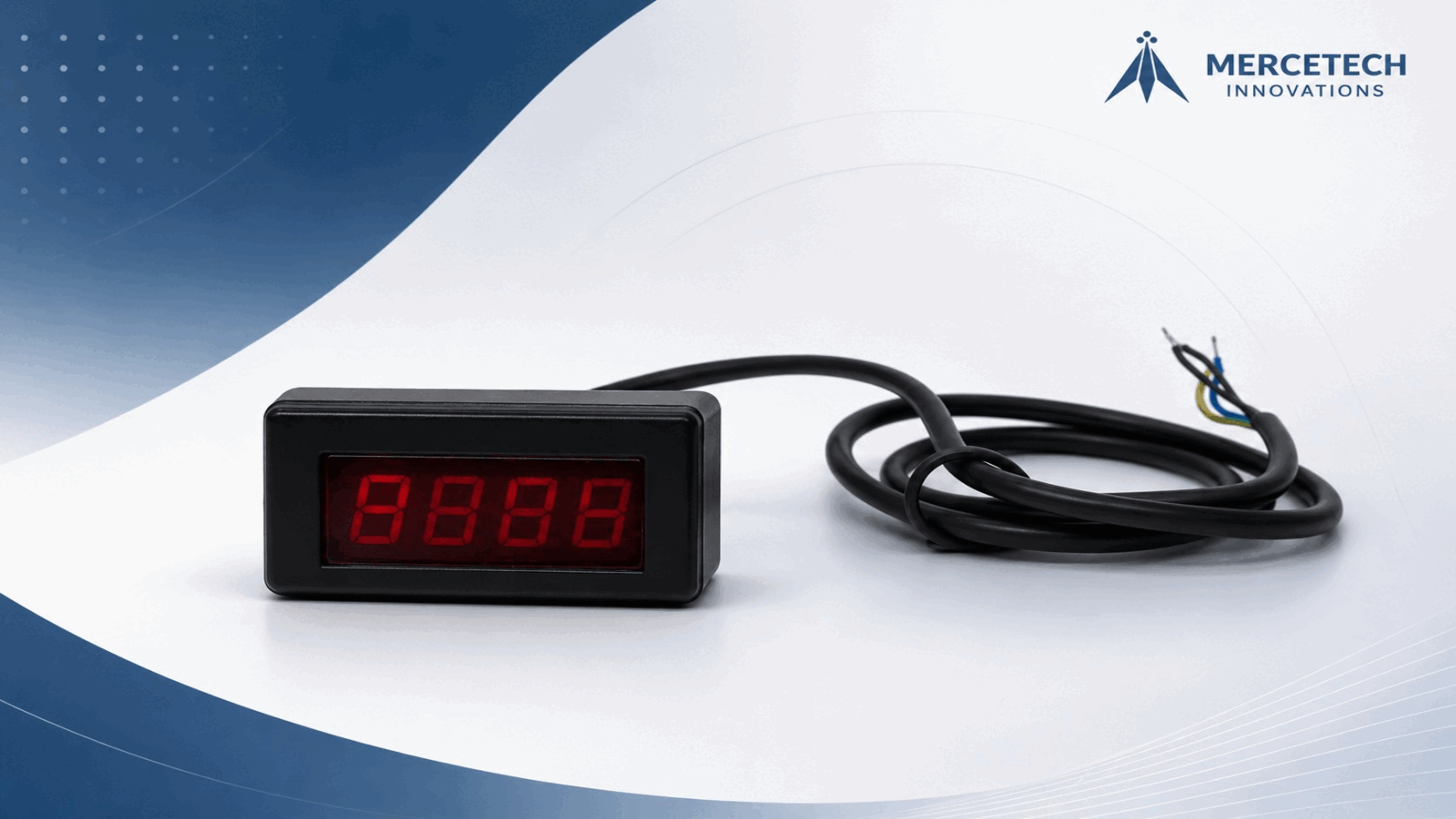
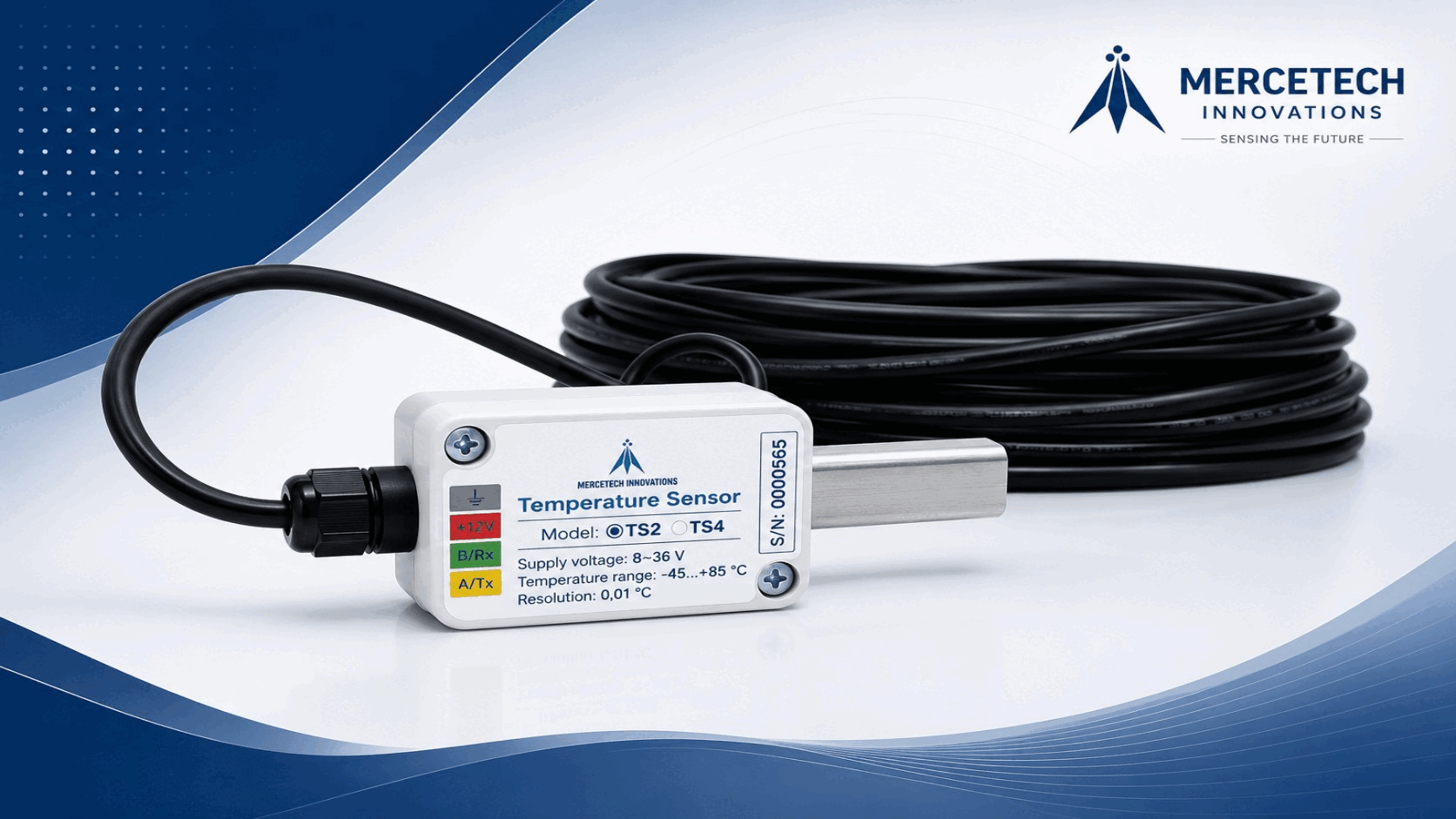
Use these product pages to compare the role of each device. Products shown together are catalogue options; confirm compatibility for the exact system before selection.